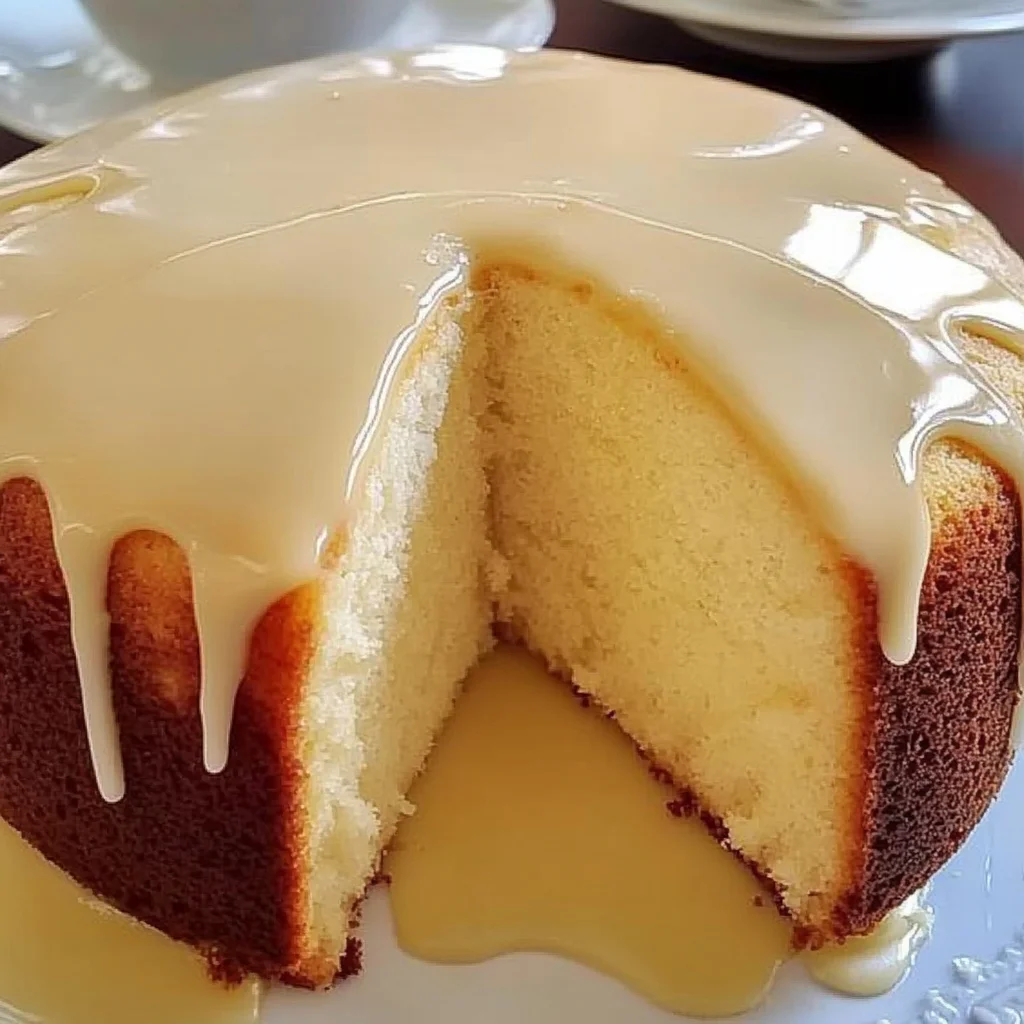
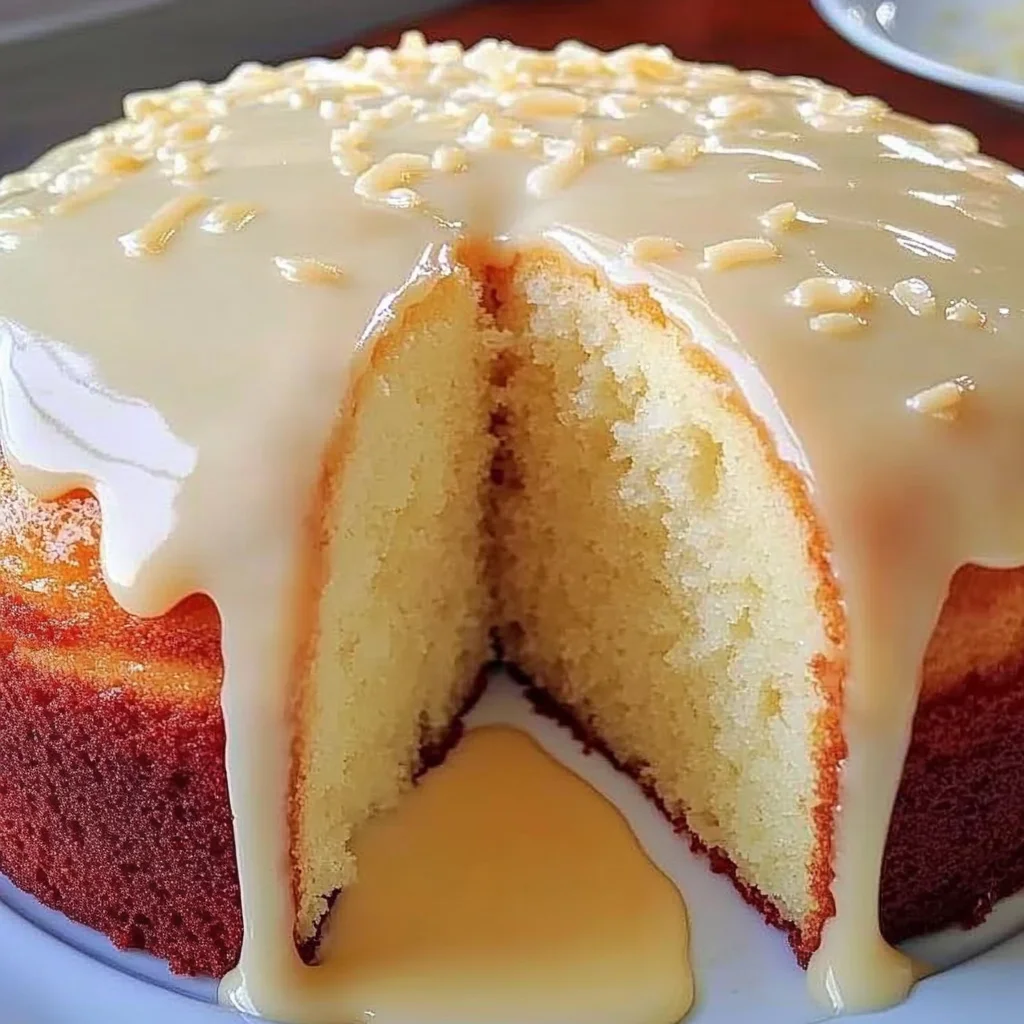
Hey there, baking buddies! Do you ever get a craving for a classic cake? The kind that reminds you of grandma’s kitchen, warm and comforting, perfect with a cup of coffee or tea? This Vanilla Buttermilk Pound Cake is exactly that. It’s incredibly moist, dense, and has that lovely, subtle tang from the buttermilk that just elevates everything. Forget complicated recipes; this one is straightforward, utterly delicious, and guaranteed to become a favorite you’ll make again and again. It’s the kind of cake that disappears fast at potlucks and makes weekend mornings extra special.
Why You’ll Love This Recipe
Seriously, what’s not to love? Here are just a few reasons this cake is going to become your new go-to:
- Fast-ish! For a pound cake, it comes together surprisingly quickly, mostly hands-off time in the oven.
- Easy Peasy! No fancy techniques here, just simple mixing and baking.
- Perfectly Giftable! Wrapped up beautifully, this cake makes a thoughtful and delicious present for friends, neighbors, or teachers.
- Certified Crowd-Pleaser! The classic vanilla flavor and moist texture appeal to everyone. It’s simple comfort food at its finest.
Ingredients
Gathering your ingredients is the first step to baking happiness! Here’s what you’ll need:
- All-purpose flour: The structure of our cake. Make sure it’s spooned and leveled for accuracy!
- Baking powder & Baking soda: These little helpers give our dense pound cake just enough lift.
- Salt: Essential for balancing the sweetness and bringing out the flavors.
- Unsalted butter: Needs to be truly softened! Leave it on the counter for about an hour or gently microwave it for a few seconds.
- Granulated sugar: Sweetness and helps create that lovely moist texture.
- Large eggs: Bring richness and bind everything together. Make sure they’re at room temperature!
- Vanilla extract: Use good quality vanilla! It makes a big difference in a cake where vanilla is the star.
- Buttermilk: The secret ingredient for incredible moisture and a subtle tangy flavor that complements the vanilla perfectly.
- Cream cheese: The base for our luscious glaze. Also needs to be softened!
- Powdered sugar: For that smooth, sweet glaze. Sifting is key to avoid lumps.
- Milk: To thin the glaze to just the right drizzling consistency.
How to Make It
Alright, let’s get baking! Follow these steps and you’ll have a beautiful cake in no time.
1. Preheat your oven to 325°F (160°C). This lower temperature helps the cake bake evenly without the outside getting too dark before the inside is done. Grab a 10-cup bundt pan and give it a good grease and flour, or use a baking spray with flour. Getting the pan ready ensures your beautiful cake comes out easily!
2. In a medium bowl, sift together the flour, baking powder, baking soda, and salt. Sifting helps prevent lumps and ensures the leavening agents are evenly distributed. Just set that aside for a moment.
3. In your biggest mixing bowl, beat the softened butter and granulated sugar together. Use a hand mixer or a stand mixer on medium speed. Let it go for about 3-4 minutes until the mixture is pale yellow, light, and super fluffy. This creaming process incorporates air, which is crucial for the cake’s texture!
4. Add the eggs one at a time, beating well after each addition. Make sure each egg is fully incorporated before adding the next. This prevents the batter from separating. Once the eggs are in, stir in the vanilla extract.
5. Now for the dry and wet ingredients! You’re going to gradually add the dry mixture (the flour mix) alternating with the buttermilk. Start with about a third of the dry ingredients, mix just until combined, then add about half of the buttermilk, mix until combined. Repeat with another third of the dry ingredients, the rest of the buttermilk, and finish with the last third of the dry ingredients. The key here is to mix just until you no longer see dry streaks. Don’t overmix, or you’ll end up with a tough cake!
6. Pour that gorgeous batter evenly into your prepared bundt pan. Use a spatula to smooth the top. Giving the pan a gentle tap on the counter can help settle the batter and remove any large air pockets.
7. Bake for 70-80 minutes. The exact time can vary depending on your oven. You’ll know it’s done when a toothpick or a long wooden skewer inserted into the thickest part of the cake comes out clean, with no wet batter attached. If the top starts getting too brown before it’s done, you can loosely tent it with foil.
8. This part is important! Let the cake cool in the bundt pan on a wire rack for 10-15 minutes. This allows the cake to firm up slightly before you attempt to remove it. After 10-15 minutes, carefully invert the pan onto the wire rack and lift the pan away. Let the cake cool completely on the rack before glazing.
9. Time for that dreamy glaze! While the cake cools, get started. In a mixing bowl, beat the softened cream cheese until it’s super smooth and creamy.
10. Gradually add the sifted powdered sugar to the cream cheese, mixing until it’s fully incorporated and smooth. Start on low speed to avoid a sugar cloud!
11. Stir in the vanilla extract. Then, add the milk, starting with 2 tablespoons. Mix until you reach your desired consistency. If it’s too thick, add the last tablespoon of milk (or even a tiny bit more, half a tablespoon at a time) until it’s pourable but not too runny.
12. Once the cake is completely cool (warm cake will melt the glaze!), drizzle the cream cheese glaze all over the top, letting it drip down the sides. Let the glaze set for a few minutes before you slice into this masterpiece!
Substitutions & Additions
Feel free to play around and make this cake your own! Here are a few ideas:
- Lemon Zest: Add the zest of one large lemon to the batter along with the vanilla for a lovely vanilla-lemon twist.
- Almond Extract: Swap half of the vanilla extract for almond extract for a different flavor profile.
- Chocolate Glaze: Not a cream cheese fan? Make a simple chocolate glaze instead (powdered sugar, cocoa powder, milk, melted butter, and vanilla).
- Berries: Serve slices with fresh berries like strawberries or raspberries for a burst of freshness.
- Citrus Glaze: Replace the milk in the glaze with lemon or orange juice for a tangy citrus glaze.
Tips for Success
Baking can be finicky, but these tips will help ensure your cake turns out perfectly every time:
- Room Temperature Ingredients: Ensure your butter, eggs, and buttermilk are at room temperature. This helps them emulsify properly, creating a smooth, well-combined batter.
- Measure Flour Correctly: Don’t scoop flour directly from the bag; you’ll pack it down. Spoon it into your measuring cup and level off with a straight edge.
- Don’t Overmix: Mix the dry ingredients into the wet just until combined. Overmixing develops gluten, leading to a tough cake.
- Grease Your Pan Well: Seriously, spend the extra minute here. Getting the cake out is the most stressful part if the pan isn’t prepped correctly!
- Know Your Oven: Oven temperatures can vary. Using an oven thermometer can help ensure you’re baking at the correct temperature.
- Cooling Time is Crucial: Don’t rush cooling the cake in the pan or on the rack. This prevents it from breaking and allows the glaze to set properly.
How to Store It
If you happen to have any leftovers (a big IF!), here’s how to keep this deliciousness fresh:
- Counter: Store glazed cake at room temperature, lightly covered (like under a cake dome or loosely tented with plastic wrap), for 2-3 days. The glaze will help keep it moist.
- Refrigerator: For longer storage or in warmer climates, you can refrigerate the cake. Place it in an airtight container or wrap tightly with plastic wrap. It will last for about 5-7 days. Bring slices to room temperature before serving for the best texture.
- Freezer: You can freeze the unglazed cake. Wrap the completely cooled cake tightly in plastic wrap, then in foil. It will keep for up to 3 months. Thaw in the refrigerator overnight, then glaze once thawed.
FAQs
Got questions? I’ve got answers!
Q: Can I use regular milk instead of buttermilk?
A: Buttermilk provides moisture and a slight acidity that reacts with the baking soda for lift and also helps tenderize the cake. You can make a substitute by adding 1 tablespoon of white vinegar or lemon juice to a measuring cup, then filling it the rest of the way with regular milk (dairy or non-dairy). Let it sit for 5-10 minutes until it looks slightly curdled. This substitution works in a pinch, but real buttermilk gives the best flavor and texture.
Q: How do I know when the cake is done baking?
A: The best way is to use the toothpick or skewer test. Insert it into the thickest part of the cake (usually near the center tube of the bundt pan). It should come out clean with no wet batter attached. If there are a few moist crumbs, that’s okay, but no wet batter!
Q: My cake stuck to the pan! What did I do wrong?
A: This usually happens if the pan wasn’t greased and floured thoroughly, or if you tried to remove the cake from the pan too soon. Make sure you get into all the nooks and crannies of the bundt pan when greasing and flouring, and always let it cool in the pan for at least 10-15 minutes before inverting.
Best Ever Easy Vanilla Buttermilk Pound Cake
Ingredients
Equipment
Method
- Step 1: Preheat your oven to 325°F (160°C). Grease and flour a 10-cup bundt pan or use baking spray with flour.
- Step 2: In a medium bowl, sift together the flour, baking powder, baking soda, and salt. Set aside.
- Step 3: In your biggest mixing bowl, beat the softened butter and granulated sugar together on medium speed for about 3-4 minutes until pale, light, and fluffy.
- Step 4: Add the eggs one at a time, beating well after each addition until fully incorporated. Stir in the vanilla extract.
- Step 5: Gradually add the dry mixture alternating with the buttermilk. Start with a third of the dry ingredients, mix until just combined, then half the buttermilk, mix until combined. Repeat with another third of dry, the rest of buttermilk, and finish with the last third of dry. Mix just until no dry streaks remain; do not overmix.
- Step 6: Pour the batter evenly into the prepared bundt pan. Smooth the top and gently tap the pan on the counter to settle the batter.
- Step 7: Bake for 70-80 minutes, or until a toothpick or skewer inserted into the thickest part comes out clean. If the top browns too quickly, loosely tent with foil.
- Step 8: Let the cake cool in the bundt pan on a wire rack for 10-15 minutes. Carefully invert the pan onto the wire rack and lift the pan away. Let the cake cool completely on the rack before glazing.
- Step 9: While the cake cools, make the glaze. In a mixing bowl, beat the softened cream cheese until smooth and creamy.
- Step 10: Gradually add the sifted powdered sugar, mixing until fully incorporated and smooth.
- Step 11: Stir in the vanilla extract. Add the milk, starting with 2 tablespoons, mixing until the desired pourable consistency is reached. Add more milk (half a tablespoon at a time) if needed.
- Step 12: Once the cake is completely cool, drizzle the cream cheese glaze all over the top, letting it drip down the sides. Let the glaze set for a few minutes before slicing.